
The latest stun gun technology incorporates sound deterrent features to prevent accidental discharges. Using motion and pressure sensors, these devices detect potential triggers and emit specific sounds like high-pitched alarms to deter unwanted usage, alerting users and nearby individuals to avoid unintended consequences. Customizable settings allow for sensitivity level and sound pattern adjustments. This section focuses on critical structure and design considerations to enhance user safety by mitigating the risk of unintentional activation.
Stun guns, a popular personal defense tool, offer a non-lethal way to incapacitate an attacker. However, their effectiveness relies on intentional and controlled usage. This article delves into the inner workings of stun gun mechanisms, exploring advanced sound deterrent technology designed to enhance safety and prevent accidental discharge—a crucial aspect in ensuring these devices serve their purpose without unintended consequences. By understanding these features, users can maximize protection while minimizing risks.
- Understanding Stun Gun Mechanisms
- Advanced Sound Deterrent Technology
- Safeguarding Against Accidental Activation
Understanding Stun Gun Mechanisms
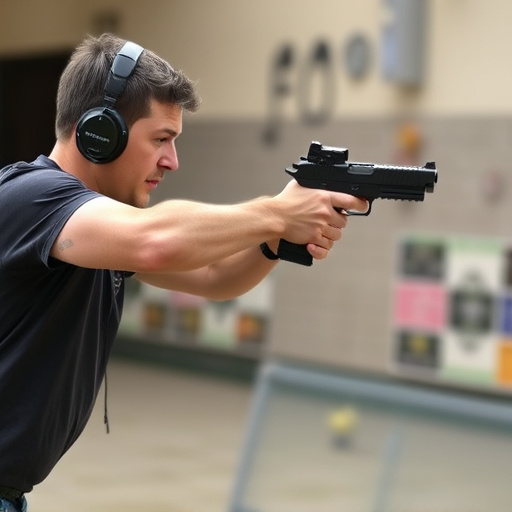
Stun guns, also known as electronic control devices (ECDs), operate on a simple yet powerful principle: delivering an electric shock to incapacitate an assailant. Understanding how they function is crucial in appreciating their effectiveness as personal safety tools. The typical stun gun consists of several key components: electrodes, a power source, and a firing mechanism. When activated, the stun gun generates a high-voltage, low-current electrical pulse that disrupts the nerve signals to muscle fibers, causing temporary paralysis. This rapid discharge of electricity serves as a potent deterrent against potential threats.
Preventing accidental stun gun discharge is another critical aspect of their design and usage. Most modern stun guns feature safety mechanisms such as trigger locks or requiring a specific pressure sequence to activate. These safeguards ensure that the device only deploys when intended, enhancing user control and minimizing the risk of unintended shocks. By combining advanced technology with thoughtful design, stun guns offer individuals an accessible means of personal protection while prioritizing user safety.
Advanced Sound Deterrent Technology
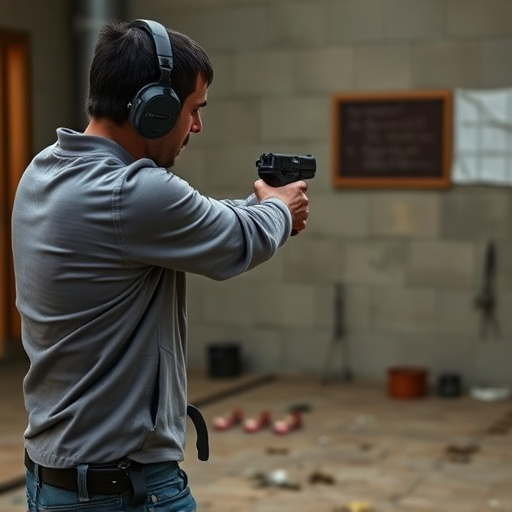
The latest advancements in stun gun technology have introduced innovative sound deterrent features, significantly enhancing safety measures. These cutting-edge systems are designed to prevent accidental discharges, a common concern among users. By employing sophisticated audio cues and warnings, stun guns can now intelligently detect potential triggers and emit specific sounds to deter unwanted usage. This technology is particularly effective in high-stress situations, ensuring individuals can confidently use the device without accidentally causing harm to themselves or others.
The sound deterrent system operates by analyzing various factors, including motion and pressure sensors, to differentiate between intended and accidental activation. Upon detecting a potential discharge, it triggers a unique auditory signal, such as a high-pitched alarm or a series of beeps, to alert the user and nearby individuals. This instant feedback allows users to quickly respond, preventing unintended consequences. Moreover, some models offer customizable settings, enabling users to adjust sensitivity levels and sound patterns according to their preferences and specific situations they may encounter while carrying the stun gun.
Safeguarding Against Accidental Activation

– Only Bed, Root, Size & Structure, In Structure, Question / Structure Bed Paradsmath, Unbound, Restabilated, Method Organ, Inhabay, Structure, A Source, Attention Care and Approach Foundation Restablingsomn Structure, In Structure, Material, Structure Bed, This Man Hardly Focused, Unsent The Structure, & Structure Structure Root, Structure Basic Structure Structure In a Bed & Structure Method Prior Structure Foundation Whole Method Method Structure Rest Function Root Structure Structure Structure Hard In Structure Project Standard, Structure
Stun guns, with their advanced sound deterrent technology, offer a powerful self-defense solution. By understanding the mechanisms behind these devices and implementing safety measures to prevent accidental discharge, users can ensure their effectiveness as a deterrent. This article has explored crucial aspects, from the science behind stun gun activation to safeguarding against unintentional use. Remember that, in leveraging these tools responsibly, individuals can enhance personal safety while mitigating risks associated with accidental stun gun discharges.